


Blogs

Does Everything in Your Practice Depend on You?
See where enquiries, follow-up, delivery and decisions depend on you—and choose one practical area to strengthen first.
Embarking on a journey to become a coach or therapist is a noble endeavor. However, the path is often fraught with challenges, self-doubt, and the inevitable fear of failure. This fear can be paralyzing, preventing many aspiring professionals from realizing their full potential. But what if I told you that failure isn’t something to be feared? Instead, it can be a powerful catalyst for growth, resilience, and success.
In this blog, we’ll explore how to overcome the fear of failure and build the resilience needed to thrive in your journey as a coach or therapist. Along the way, I’ll share personal insights from my own experiences, so you can see firsthand that failure is not the end—it’s just the beginning.
Fear of failure is a common roadblock for anyone pursuing a new career path, especially one as impactful as coaching or therapy. The idea of putting yourself out there, vulnerable and exposed, can be daunting. What if you don’t succeed? What if you make mistakes? What if your clients don’t achieve the results they want?
These questions are valid, but they often stem from a misunderstanding of what failure truly means. Failure isn’t a reflection of your worth or abilities; it’s simply feedback—an opportunity to learn, grow, and improve.
Let me share a bit of my journey. After leaving a secure corporate job, I invested over $200,000 into my first entrepreneurial venture. It was a bold move, driven by passion and a desire to create something meaningful. But despite my best efforts, the company failed. I was devastated. The fear of failure had become my reality.
Yet, in hindsight, that failure was one of the best things that ever happened to me. It forced me to confront my fears, reevaluate my approach, and ultimately build a stronger foundation for future success. That experience taught me resilience—how to bounce back, learn from my mistakes, and keep moving forward.
One of the most important lessons I’ve learned is that failure is not the opposite of success—it’s a part of it. Every successful coach or therapist has faced setbacks along the way. The key difference between those who succeed and those who give up is how they respond to failure.
Instead of seeing failure as a dead-end, view it as a stepping stone. Each setback provides valuable lessons that can help you refine your skills, improve your approach, and better serve your clients.
Take a moment to reflect on a past failure or setback. What did you learn from that experience? How did it shape your journey? Write down three lessons you gained from that failure and how you can apply them to your current path.
Resilience is the ability to bounce back from adversity, and it’s a crucial trait for anyone pursuing a career in coaching or therapy. Building resilience doesn’t mean avoiding challenges or setbacks; it means developing the strength to face them head-on and keep moving forward.
Here are some strategies to help you build resilience on your journey:
A growth mindset is the belief that your abilities and intelligence can be developed through effort, learning, and perseverance. This mindset is essential for overcoming the fear of failure because it shifts your focus from “What if I fail?” to “How can I learn and grow from this experience?”
To cultivate a growth mindset, embrace challenges as opportunities for growth, view setbacks as temporary, and celebrate your efforts rather than just your results.
Emotional resilience is the ability to manage your emotions in the face of adversity. As a coach or therapist, you’ll encounter difficult situations and emotions—both your own and your clients’. Developing emotional resilience will help you stay grounded and focused, even when things get tough.
Practice mindfulness, meditation, or other stress-relief techniques to build emotional resilience. Additionally, seek support from peers, mentors, or a therapist when needed.
It’s easy to set yourself up for disappointment by having unrealistic expectations. While it’s important to aim high, it’s equally important to recognize that success doesn’t happen overnight. Set realistic goals for yourself and your practice, and celebrate the small victories along the way.
Remember that progress is a journey, not a destination. Every step forward, no matter how small, is a sign of growth and progress.
Being vulnerable is often seen as a weakness, but it’s actually a strength. Embracing vulnerability allows you to connect more deeply with your clients and build trust in your relationships. It also helps you acknowledge and address your own fears and insecurities.
As Brené Brown, a renowned researcher on vulnerability, says, “Vulnerability is the birthplace of innovation, creativity, and change.” By embracing vulnerability, you open yourself up to new possibilities and experiences.
When the going gets tough, it’s important to remember why you started this journey in the first place. What motivated you to become a coach or therapist? What impact do you want to make in the world?
Your “why” is your anchor—it will keep you grounded and focused when fear and doubt try to pull you off course. Keep your purpose at the forefront of your mind, and let it guide you through the challenges.
After my first business failed, I found myself questioning everything. Was I cut out for this? Should I go back to the corporate world? In those moments of doubt, I had to reconnect with my “why.” I reminded myself why I left my job in the first place—because I wanted to create something meaningful, to help others, and to make a difference.
That “why” became my guiding light, helping me push through the fear and continue on my journey.
Now that we’ve explored the mindset and resilience-building strategies, let’s dive into some practical tips for aspiring coaches and therapists:
You don’t have to dive headfirst into a full-time practice right away. Start small by offering coaching or therapy services part-time, or even as a side hustle. This allows you to gain experience, build confidence, and test the waters without the pressure of making it your sole source of income.
Don’t go it alone. Seek out mentors, peers, or other professionals in the field who can provide guidance, support, and accountability. Surrounding yourself with a supportive community can make all the difference in your journey.
The field of coaching and therapy is constantly evolving, and there’s always something new to learn. Stay curious and committed to your own personal and professional growth. Attend workshops, read books, and seek out continuing education opportunities to expand your knowledge and skills.
As you navigate the ups and downs of your journey, remember to be kind to yourself. Self-compassion is essential for building resilience. Treat yourself with the same kindness and understanding that you would offer a friend or client.
The fear of failure can be paralyzing, but the only way to overcome it is to take action. Start with small steps, and gradually build up to bigger challenges. Every step forward, no matter how small, is a victory.
Becoming a coach or therapist is a journey filled with challenges, growth, and transformation. The fear of failure is natural, but it doesn’t have to hold you back. By building resilience, embracing failure as a learning opportunity, and staying connected to your “why,” you can overcome the fear and create a successful, fulfilling career.
Remember, you’re not alone on this journey. Many have walked this path before you, and they’ve faced the same fears and doubts. But they’ve also experienced the incredible rewards that come with helping others and making a difference in the world.
So take a deep breath, trust in yourself, and take that next step forward. Your future as a coach or therapist is waiting, and it’s brighter than you can imagine.
Ready to take the next step on your journey? Download our free eBook, “How to Find Your Purpose and Build a Life You Love,” and discover practical strategies to help you overcome fear and achieve your goals. Get started today and unlock your full potential.
See where enquiries, follow-up, delivery and decisions depend on you—and choose one practical area to strengthen first.
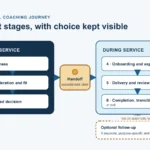
By Islam Abdullah, Founder of Reverse Mindset Academy A clear client journey keeps each stage visible and treats follow-up as a separate choice, not an
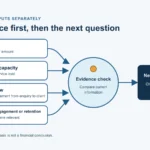
By Islam Abdullah, Founder of Reverse Mindset Academy Look at your offer, available time, enquiries and returning clients, where relevant, before deciding what to change.

By Islam Abdullah, Founder of Reverse Mindset Academy When people talk about business systems, the phrase can sound heavier than the work needs to be.

Explore six connected areas that may affect inconsistent client enquiries—and what to examine before spending more on marketing.

Introduction: The Battle Between Security and Freedom Security and freedom—two opposing forces that shape the choices we make in our careers and lives. On one

We use cookies to improve your experience on our site. By using our site, you consent to cookies.
Manage your cookie preferences below:
Essential cookies enable basic functions and are necessary for the proper function of the website.
Statistics cookies collect information anonymously. This information helps us understand how visitors use our website.
Optional website statistics for the Client Flow Snapshot. After affirmative Statistics consent, Google Analytics may receive one canonical page view, a scroll-depth event if 90% of the page becomes visible, and the approved start, completion and result-view milestones. Page view and scroll are auxiliary only and are not used as Snapshot completion or result. Snapshot answers, scores, result content, names, email addresses and client information are excluded.
Service URL: policies.google.com (opens in a new window)